
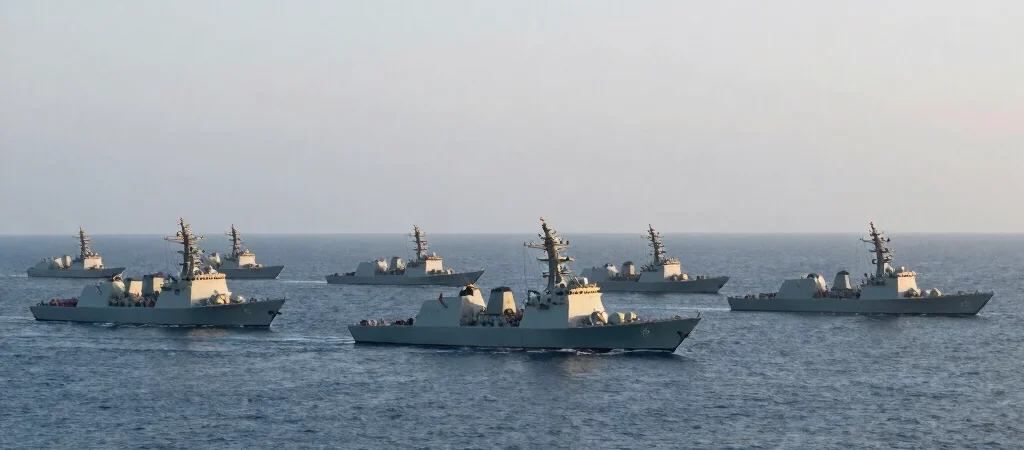
When military aircraft or ships from several countries gather for an exercise, the images can seem to tell the whole story. They do not. A drill is evidence of planned activity and professional engagement; claims about what it proves strategically need to be weighed against its scope, location and official objectives.
Start with the stated purpose
Read the published objectives before drawing conclusions from dramatic photographs. An exercise may focus on communications, search and rescue, maritime coordination or other defined tasks. The participating services and activities provide useful context, but they do not automatically establish an operational commitment beyond the event.
Geography shapes the signal
Where a drill takes place affects what participants can practice and which audiences may pay attention. An exercise near the Indian Ocean, for example, can make regional access and maritime cooperation especially relevant to Indian readers. Location alone, however, is not proof that a particular state or contingency is the target.
Separate activity from inference
A careful account distinguishes confirmed details—such as named participants, dates and announced activities—from analysis about broader signaling. It also avoids treating a single exercise as proof of a lasting alliance or imminent policy shift. The most useful question is narrower: what did these forces practice together, and what remains unknown?